


Ebola Outbreak in the Democratic Republic of Congo
Context
The WHO has warned that the ongoing Ebola outbreak in the Democratic Republic of Congo (DRC) could become one of the deadliest outbreaks, potentially surpassing the 2014-16 West African outbreak, which claimed over 11,000 lives. More than 2,000 deaths have already been reported in the current outbreak.
Key Highlights
- The outbreak is caused by the Bundibugyo virus, a rare Ebola strain for which no approved vaccine or specific treatment is currently available.
- Although the outbreak was officially declared on 15 May, genomic sequencing indicates that transmission began as early as February, making it one of the fastest-growing Ebola outbreaks.
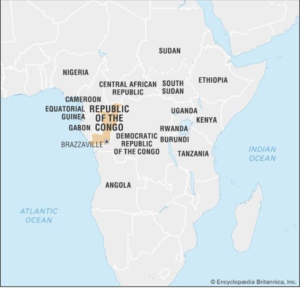
- Cases are concentrated in eastern DRC, close to South Sudan, Uganda and Rwanda, where conflict and weak healthcare infrastructure complicate containment efforts.
- Misinformation, community distrust and health worker strikes are further hampering disease control measures.
Key Concepts
- Ebola Virus Disease (EVD): A severe viral haemorrhagic disease that can be fatal and is primarily transmitted through contact with infected bodily fluids.
- Zoonotic Disease: An infectious disease that can spread from animals to humans; fruit bats are considered a natural reservoir of Ebola viruses.
- WHO PHEIC: Public Health Emergency of International Concern – the WHO’s highest-level global health alert requiring coordinated international action.
- One Health: An integrated approach that recognises the interconnection between human, animal and environmental health in preventing and controlling disease outbreaks.
Way Forward
- Strengthen surveillance, rapid case detection and ring vaccination wherever effective vaccines are available.
- Build community trust and counter misinformation through transparent risk communication.
- Enhance cross border coordination among DRC and neighbouring countries to prevent regional transmission.
- Invest in research and development of vaccines and therapeutics for less common Ebola strains.