


Fires in Brazil’s Amazon Decline Sharply
Why in News ?
According to Brazil’s MapBiomas environmental monitoring network, forest fires in the Brazilian Amazon fell to their lowest level in 2025 since records began in 1985, indicating a significant improvement in fire conditions.
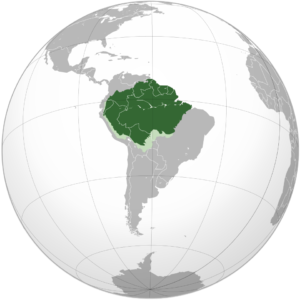
Key Highlights
- The total burnt area in the Brazilian Amazon declined to nearly 3.1 million hectares, marking the lowest level in four decades.
- The improvement has been attributed to better rainfall, a decline in deforestation, and strengthened forest fire management measures following the severe fire season of 2024.
- Scientists have warned that the possible return of El Niño could once again increase the likelihood of large-scale wildfires.
- The Amazon continues to play a vital role in global climate regulation, biodiversity conservation and carbon sequestration.
- Despite the reduction in forest fires, concerns remain over oil exploration, habitat degradation and long-term conservation challenges.
Key Concepts
Amazon Rainforest
- The world’s largest tropical rainforest, spread across nine South American countries.
- It is one of the planet’s richest biodiversity hotspots and an important carbon sink, influencing the global climate and hydrological cycle.
MapBiomas
- A collaborative environmental monitoring initiative in Brazil.
- It uses satellite imagery and geospatial data to monitor land-use change, deforestation, forest fires and ecosystem health.
Carbon Sink
- A natural system such as forests, wetlands or oceans that absorbs and stores more carbon dioxide than it emits.
- Carbon sinks play a critical role in mitigating climate change by reducing atmospheric CO₂ concentrations.
Way Forward
- Strengthen forest conservation policies and enforce stricter measures against illegal deforestation.
- Enhance wildfire monitoring, early warning systems and rapid response mechanisms.
- Promote sustainable land-use practices while balancing development with ecological protection.
- Foster international cooperation to conserve the Amazon, recognising its global climate significance.
- Build resilience against future climate variability, including potential El Niño-induced wildfire risks.