


Kulsi Hydropower Project: Tribal Consent and River Ecology
Context: Why in News?
Communities from Assam and Meghalaya have jointly opposed a proposed 55-MW hydropower cum irrigation project on the Kulsi River near the inter State boundary. Their concerns relate to livelihoods, land rights and ecological impacts, particularly the potential threat to the endangered Gangetic river dolphin.
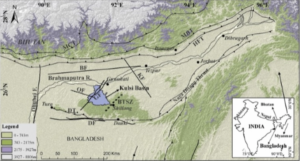
Fig. Kulsi river
Key Highlights
- The Kulsi River is a tributary of the Brahmaputra and is formed by the Dron, Shree and Dilma rivers.
- The proposed project site is located near Borduar and Langpih, within an area affected by the Assam Meghalaya boundary dispute.
- The Bodo, Garo, Khasi and Rabha communities have come together on a common platform to oppose the project.
- Traditional chiefs in Meghalaya have stated that they will not issue the required no objection certificates for community land.
- Dams can modify natural river flows, sediment transport and fish migration patterns. Such changes may also affect the riverine habitat of the Gangetic river dolphin.
- Projects involving multiple States require effective inter State coordination along with meaningful participation from the local communities likely to be affected.
Key Concepts
- Environmental Flow: The quantity, timing and quality of water flows necessary to maintain river ecosystems and support the livelihoods dependent on them.
- Free, Prior and Informed Consent: A process that enables communities to participate in decisions before approval, without coercion and on the basis of adequate information.
- Gangetic River Dolphin: An endangered freshwater cetacean and India’s National Aquatic Animal. Its survival depends on suitable riverine habitats and ecological conditions.
Way Forward
A cumulative environmental impact assessment at the river basin level should be undertaken before proceeding with the project. Available alternatives and downstream impacts must be clearly disclosed, and legally valid community consent should be obtained. An independent assessment of dolphin habitats and environmental flows is also necessary to evaluate ecological risks before any approval is granted.