


Pygmy Hog: Conservation of a Critically Endangered Species
Context
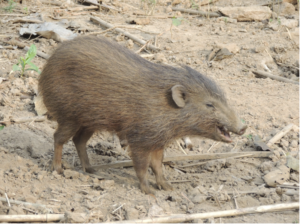
The pygmy hog (Porcula salvinia) is the world’s smallest wild pig and the only surviving species of its genus. It is classified as Critically Endangered, primarily due to the continuing loss and degradation of its specialised grassland habitat. Conservation initiatives in Assam focus on captive breeding, reintroduction and restoration of suitable grassland ecosystems.
Key Highlights
- The pygmy hog is strongly associated with tall, wet alluvial grasslands found along the floodplains of the Brahmaputra. These grasslands provide essential habitats for its feeding, breeding and shelter.
- The species has suffered significant habitat loss due to the conversion of grasslands for agriculture, tea plantations, settlements and flood-control infrastructure.
- The spread of invasive plant species and unsuitable grassland-burning practices have further degraded its natural habitat.
- Captive breeding initiatives have helped increase the population of pygmy hogs. However, the species continues to face serious conservation challenges because its natural population and habitat remain geographically limited.
- The Pygmy Hog Conservation Programme, with the involvement of organisations such as the Durrell Wildlife Conservation Trust, has contributed to captive breeding and reintroduction efforts.
- Long-term conservation requires the restoration of natural grassland processes. This includes controlling invasive species, adopting scientifically managed burning practices and maintaining seasonal flooding patterns that sustain the grassland ecosystem.
Way Forward
A successful conservation strategy should integrate habitat restoration, scientific grassland management, captive breeding and local community participation. These measures can help establish stable and genetically diverse wild populations while maintaining the ecological characteristics of the Brahmaputra floodplain grasslands.