


Spotted Hyenas: Social Inheritance and Reproductive Inequality
Context
A 29 year longitudinal study of spotted hyenas in Tanzania explored how social status is passed between generations and how an individual’s position within the social hierarchy influences access to resources, survival and reproductive success. The study highlights the importance of social structures in shaping reproductive inequality, beyond explanations based solely on biological sex.
Key Findings
- Researchers followed 2,743 spotted hyenas belonging to eight social groups over 29 years and eight generations in the Ngorongoro ecosystem.
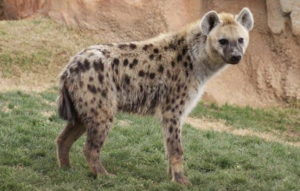
- Spotted hyena societies are female dominated, with young females often acquiring social status through their mothers’ position, alliances and wider social networks.
- Social rank can influence access to food, survival prospects and reproductive opportunities, enabling advantages and disadvantages to persist across generations.
- The findings add a social dimension to the Darwin Bateman framework, challenging explanations that attribute differences in reproductive success primarily to mating behaviour and biological sex.
- Long term ecological studies are particularly valuable because they can capture multigenerational patterns of social inheritance that may remain invisible in short duration experiments.
Way Forward
Conservation strategies should consider the importance of stable social groups and long term habitat protection in maintaining healthy hyena populations. Future research can integrate genetic data, demographic trends and social network analysis to better understand how social status influences survival and reproduction across generations.