


Vulture Conservation: Relocation of Livestock Carcasses
Context
A decade old study from Dehradun indicates that relocating livestock carcasses away from high voltage power infrastructure can significantly reduce vulture deaths caused by electrocution. The measure offers a simple, cost effective and practical conservation strategy for protecting vulture populations.
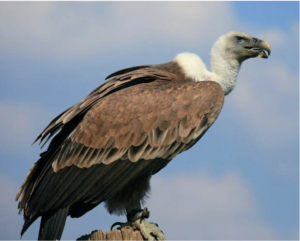
Key Highlights
- Vultures are among the most threatened groups of birds globally, with their populations declining due to food scarcity, poisoning, harmful veterinary drugs and other human-induced pressures.
- A study conducted in the Dehradun region recorded 743 individual vultures belonging to five species and identified mortality associated with their proximity to power infrastructure.
- Shifting livestock carcasses approximately 2.4 km away from high voltage electricity infrastructure was associated with a reduction in vulture mortality at feeding sites.
- The findings demonstrate that simple habitat management interventions can effectively reduce human induced wildlife mortality without requiring extensive changes to existing infrastructure.
- The study also underscores the importance of long term monitoring after conservation interventions to determine whether such measures continue to remain effective.
Way Forward
- Establish and expand vulture safe feeding zones away from hazardous electricity infrastructure.
- Relocate livestock carcass disposal and dumping sites away from high voltage power lines and other electrocution risks.
- Regulate and restrict the use of veterinary medicines harmful to vultures.
- Retrofit or modify dangerous power structures to make them wildlife safe.
- Strengthen systematic monitoring of vulture mortality and population trends.
- Promote community participation and awareness to support long-term vulture conservation.