


Whale Strandings on India’s West Coast and Marine Biodiversity Gaps
Context
Historical records of whale strandings along the Gujarat coast have highlighted possible gaps in marine observation and reporting systems. The absence of recent records does not necessarily indicate a decline or disappearance of whale populations. Instead, inadequate monitoring and documentation may explain the apparent gaps.
Key Highlights
- Historical records have documented blue whale strandings near the Gulf of Khambhat and Surat along the Gujarat coast.
- The article emphasises the need to distinguish between an actual decline in marine species populations and a reduction in monitoring and documentation.
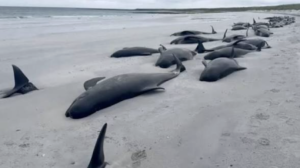
- Whale stranding incidents can provide valuable information about marine species distribution, diseases, ship strikes, entanglement in fishing gear and the impacts of underwater noise.
- Knowledge possessed by coastal fishing communities, along with trained local response networks, can significantly strengthen marine wildlife monitoring.
Key Concepts
- Cetaceans: A group of aquatic mammals that includes whales, dolphins and porpoises. Baleen whales filter food from water, whereas toothed whales use teeth and often rely on echolocation.
- Blue Whale: The largest living animal on Earth, characterised by its wide oceanic distribution and significant conservation concerns.
- Bryde’s Whale: A warm water baleen whale species or group commonly associated with tropical and subtropical marine environments.
- Wildlife (Protection) Act, 1972: India’s principal legislation for wildlife conservation. The article highlights the inclusion of cetaceans under Schedule I, which provides them with strong legal protection.
- Gulf of Khambhat: A large inlet of the Arabian Sea situated along the Gujarat coast. Its marine environment is influenced by strong tidal activity, river mouths and coastal ecosystems.
Way Forward
- Establish standardised national protocols for recording whale strandings, conducting necropsies and maintaining interoperable databases.
- Train coastal authorities, fishing communities and veterinarians in safe reporting and rescue procedures.
- Reduce threats to marine mammals arising from ship strikes, ghost nets, accidental bycatch and underwater noise pollution.
- Incorporate marine mammal conservation measures into coastal zone management and offshore development planning.