


India’s Rarest Heron Faces Threat from Hydropower Development
Why in News
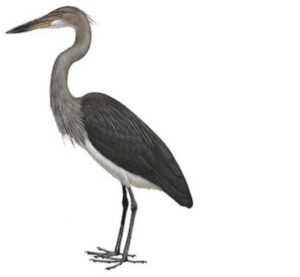
Conservationists have expressed concerns that a proposed hydropower project in the Lohit River basin of Arunachal Pradesh could degrade the habitat of the Critically Endangered White-bellied Heron, one of the world’s rarest bird species.
Key Highlights
- India hosts one of the most significant breeding populations of the White-bellied Heron, primarily in Arunachal Pradesh, where the species survives in extremely low numbers.
- Experts caution that the proposed dam may alter river flow, riparian habitats, nesting sites and feeding grounds, thereby increasing the risk of extinction.
- The controversy has renewed focus on the effectiveness of Environmental Impact Assessment (EIA) and the need for basin-level ecological planning before approving large infrastructure projects.
- Conservationists have stressed that biodiversity-rich landscapes require long-term ecological assessments and conservation-centric development planning.
Key Concepts
- White-bellied Heron (Ardea insignis): A Critically Endangered bird species on the IUCN Red List, distributed across Bhutan, India, Myanmar and parts of Southeast Asia.
- Environmental Impact Assessment (EIA): A statutory process that evaluates the environmental consequences of development projects before granting approval.
- Forest Advisory Committee (FAC): Expert committee that examines proposals involving diversion of forest land under the forest conservation framework.
- Riparian Ecosystem: Ecologically important habitat located along rivers and streams, supporting specialised flora and fauna.
- IUCN Red List: Global inventory that assesses the conservation status and extinction risk of plant and animal species.
Way Forward
Infrastructure development in ecologically sensitive regions should be guided by basin-level conservation planning, rigorous scientific environmental assessments and biodiversity-sensitive decision-making to ensure that economic growth does not result in irreversible ecological damage.