


Sea Level: Hands on a Skater
Context
A study published in JGR Solid Earth suggests that climate-change-induced redistribution of water and ice is influencing Earth’s rotational speed and gradually increasing the length of a day.
Key Highlights
- Melting glaciers and polar ice sheets redistribute Earth’s mass.
- Researchers compared the process to a spinning skater slowing down after extending arms outward.
- Climate change is increasing the length of Earth’s day at one of the fastest rates in millions of years.
- Oceans, atmosphere, Moon and Earth’s interior collectively influence rotational behaviour.
Key Facts
- Earth’s rotation depends on mass distribution around the rotational axis.
- Climate change is increasing day length by nearly 1.33 milliseconds per century.
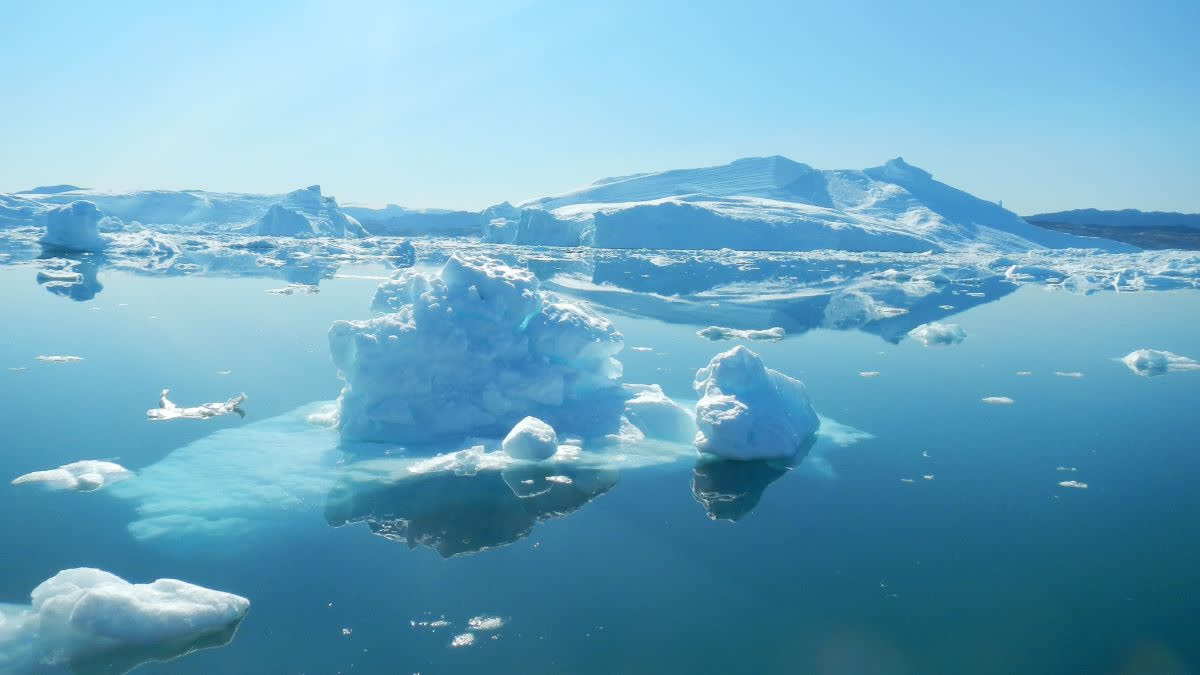
- Greenland and Antarctic ice melt contribute to sea-level rise and mass redistribution.
- The Moon’s gravitational pull also affects Earth’s rotational speed.
- It would take millions of years for climate-driven changes alone to increase a day by one second.