


Droughts Can Drive Antibiotic Resistance in Soil Bacteria
Context:
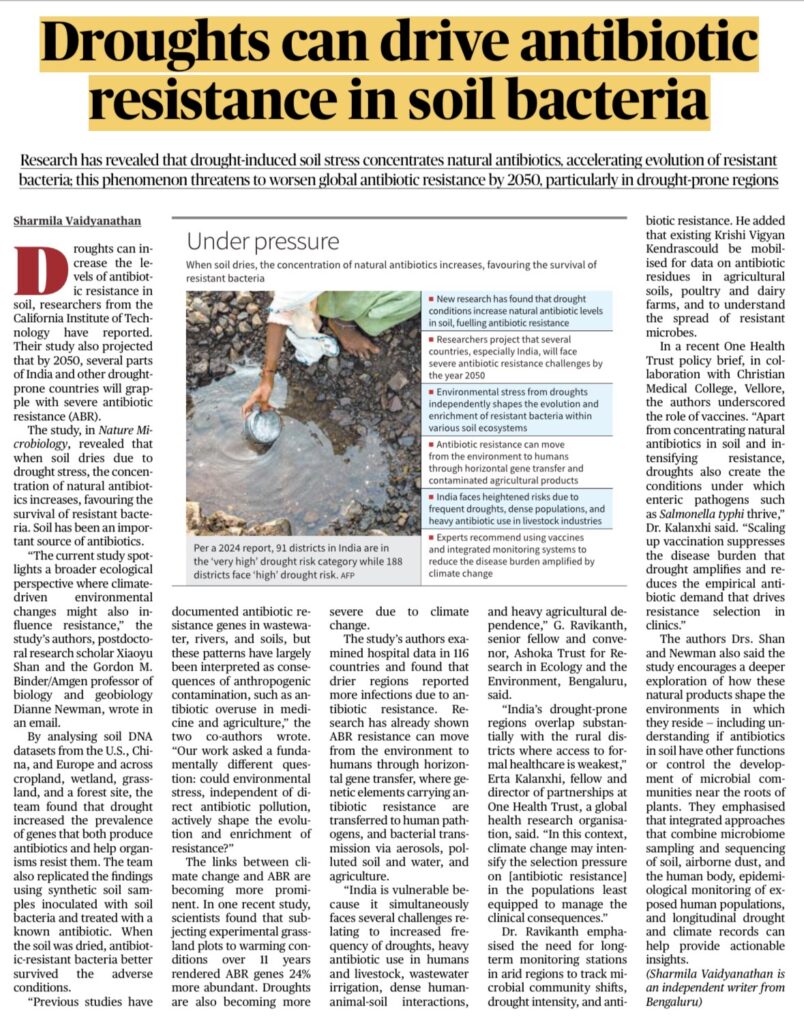
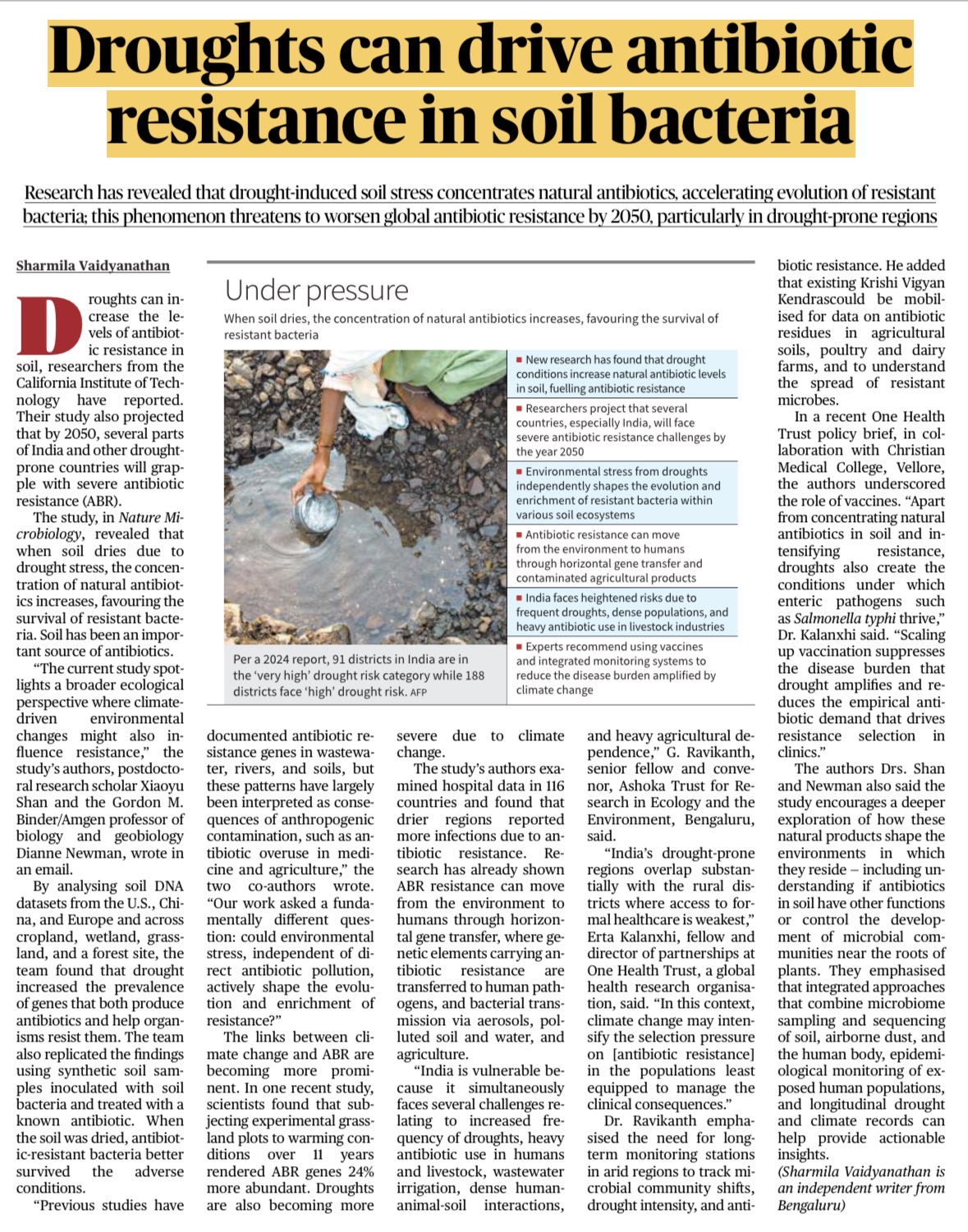
A recent scientific study has identified a connection between prolonged drought conditions and rising antimicrobial resistance in soil bacteria, highlighting an emerging link between climate change and public health.
Prelims:
- Antimicrobial Resistance (AMR): Refers to the ability of microorganisms such as bacteria, viruses, fungi, and parasites to survive treatments that were once effective.
- Impact of Drought: Reduced soil moisture alters microbial communities and ecological interactions.
- Increase in Resistance Genes: Extended drought conditions can favour microorganisms carrying genes that confer resistance to antimicrobial substances.
- Global Concern: The World Health Organization (WHO) recognizes AMR as one of the most significant threats to global health.
- One Health Approach: An integrated framework that recognizes the interconnectedness of human, animal, and environmental health.
Mains:
- Highlights the growing relationship between climate change and disease-related risks.
- Strengthens the case for adopting the One Health framework in policymaking.
- Draws attention to environmental drivers of antimicrobial resistance beyond clinical settings.
- Supports integrated monitoring systems and climate adaptation strategies to address emerging health challenges.