


Centre Explores Tiger Reintroduction in West Bengal
Context
The Centre is exploring the scientific reintroduction of tigers in suitable landscapes of West Bengal to strengthen biodiversity conservation and ecological security, drawing lessons from the successful Sariska Tiger Reserve programme.
Facts
- Tiger Reintroduction in West Bengal: The Centre plans to assess suitable habitats through scientific planning and expert consultation for reintroducing tigers in West Bengal.
- Sariska Success Story: Tiger numbers in Sariska Tiger Reserve have recovered from zero in 2008 to 56, demonstrating the success of scientific reintroduction.
- India’s Conservation Progress: Since 2014, the number of tiger reserves has increased from 46 to 58, while the Asiatic lion population has risen from 523 (2015) to 891 (2026). India occupies 2.4% of the world’s land area but harbours 7- 8% of recorded species.
- Conservation-led Development: The government highlighted a shift towards proactive environmental governance, supported by initiatives such as Mission LiFE, International Solar Alliance (ISA), International Big Cat Alliance (IBCA) and the Global Biofuel Alliance. The number of Ramsar Sites has increased from 24 to 100, while Eco-Sensitive Zones (ESZs) have expanded significantly.
Key Concepts
Tiger Reintroduction
- The planned re-establishment of tigers in suitable habitats where they have become locally extinct through scientific assessment, habitat management and long-term monitoring.
Sariska Tiger Reintroduction
- Initiated after the local extinction of tigers in 2005.
- The first tiger was translocated in 2008, making Sariska a globally recognised example of successful tiger reintroduction.
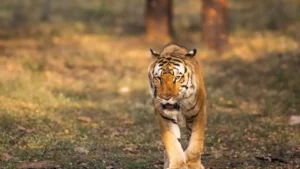
IUCN status : Endangered