


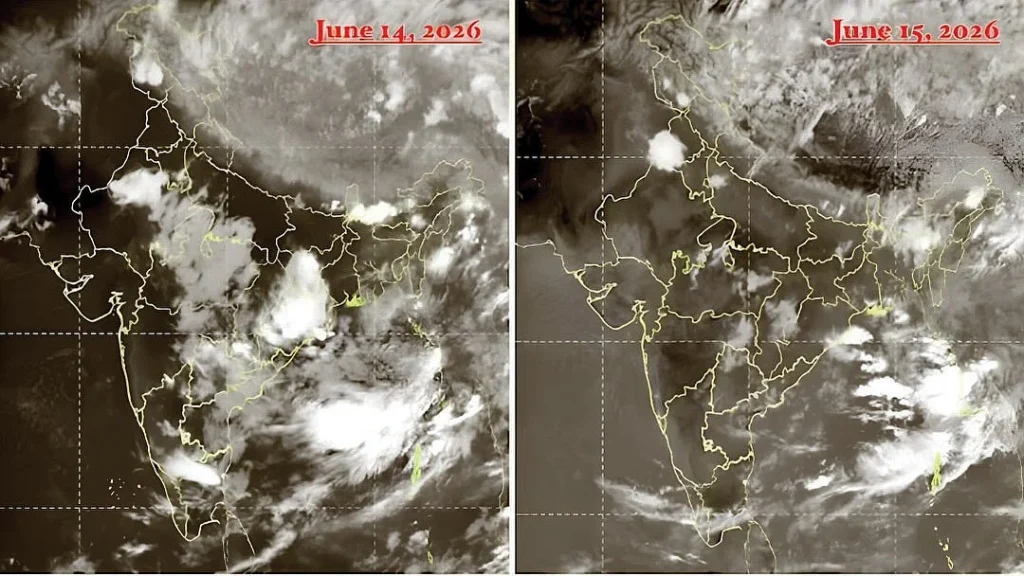
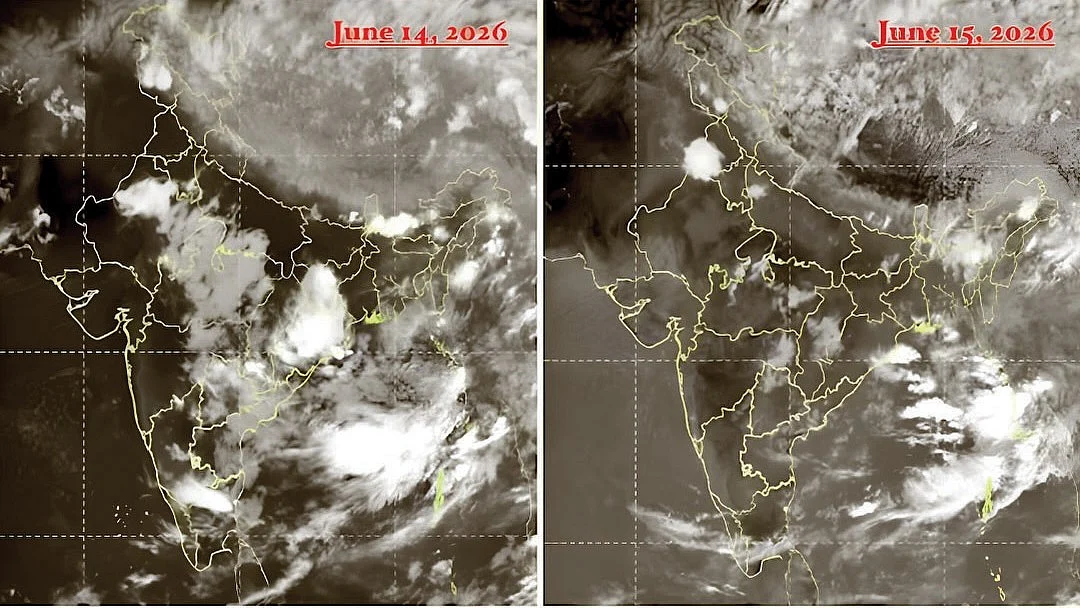
Missed call : India must brace itself for a deficient southwest monsoon
Context : Core Message
The article highlights concerns over a deficient Southwest Monsoon and its potential impacts on agriculture, water security and the Indian economy.
Prelims-Oriented Pointers
-
- Concerns have emerged over the possibility of a deficient Southwest Monsoon.
- Rainfall shortfalls could affect agriculture, water availability and rural livelihoods.
- Despite the early onset of the Southwest Monsoon over Kerala, seasonal rainfall may remain below the Long Period Average (LPA).
- Northwest, central and peninsular India are likely to experience rainfall deficits.
- El Niño conditions continue to pose risks to monsoon performance and rainfall distribution.
- The Southwest Monsoon contributes about 70–75% of India’s annual rainfall.
- The India Meteorological Department (IMD) is responsible for monsoon forecasting.
- El Niño refers to abnormal warming of sea-surface temperatures in the central and eastern Pacific Ocean.
- The Long Period Average (LPA) is the benchmark used by IMD to assess monsoon rainfall.
- The kharif season begins with the onset of the Southwest Monsoon.
- Major kharif crops include rice, maize, cotton and pulses.
Mains-Relevant Information
- Monsoon Outlook
- The article warns of a potentially deficient Southwest Monsoon.
- Rainfall deficits are expected in several parts of the country.
- Role of El Niño
- El Niño conditions may weaken monsoon rainfall.
- They can affect both the amount and distribution of rainfall.
- Agricultural Impact
- Below-normal rainfall may reduce agricultural productivity.
- Kharif cultivation remains highly dependent on monsoon rainfall.
- Water & Economic Impact
- Monsoon variability affects water security and reservoir levels.
- It also influences food inflation, rural livelihoods and economic growth.