


Europe’s Heatwave Crisis: Lessons for Climate Adaptation
Context
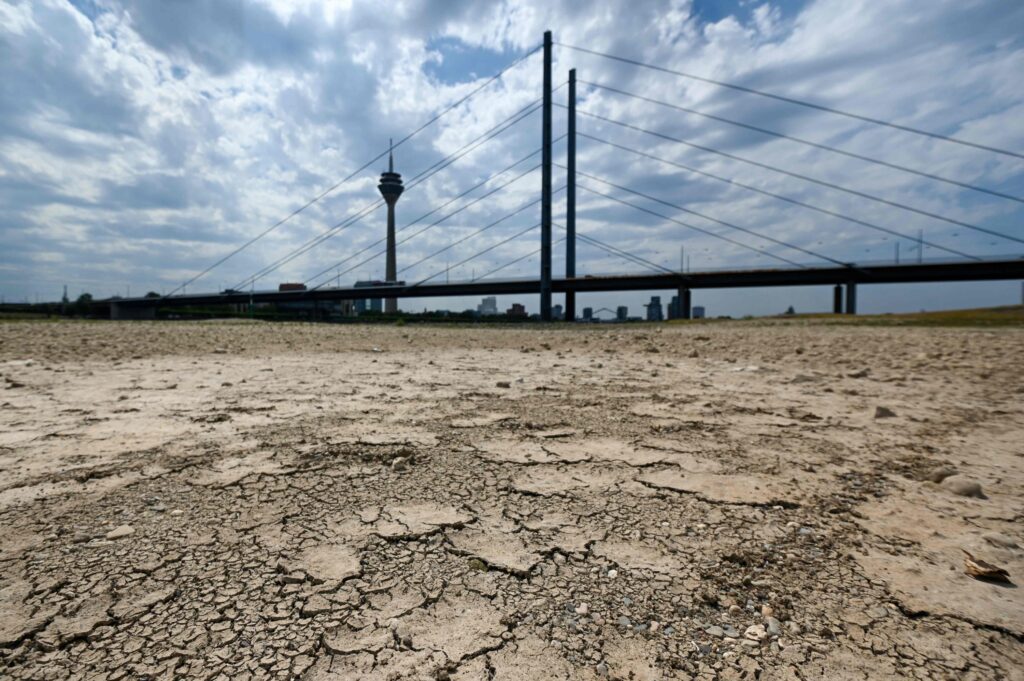
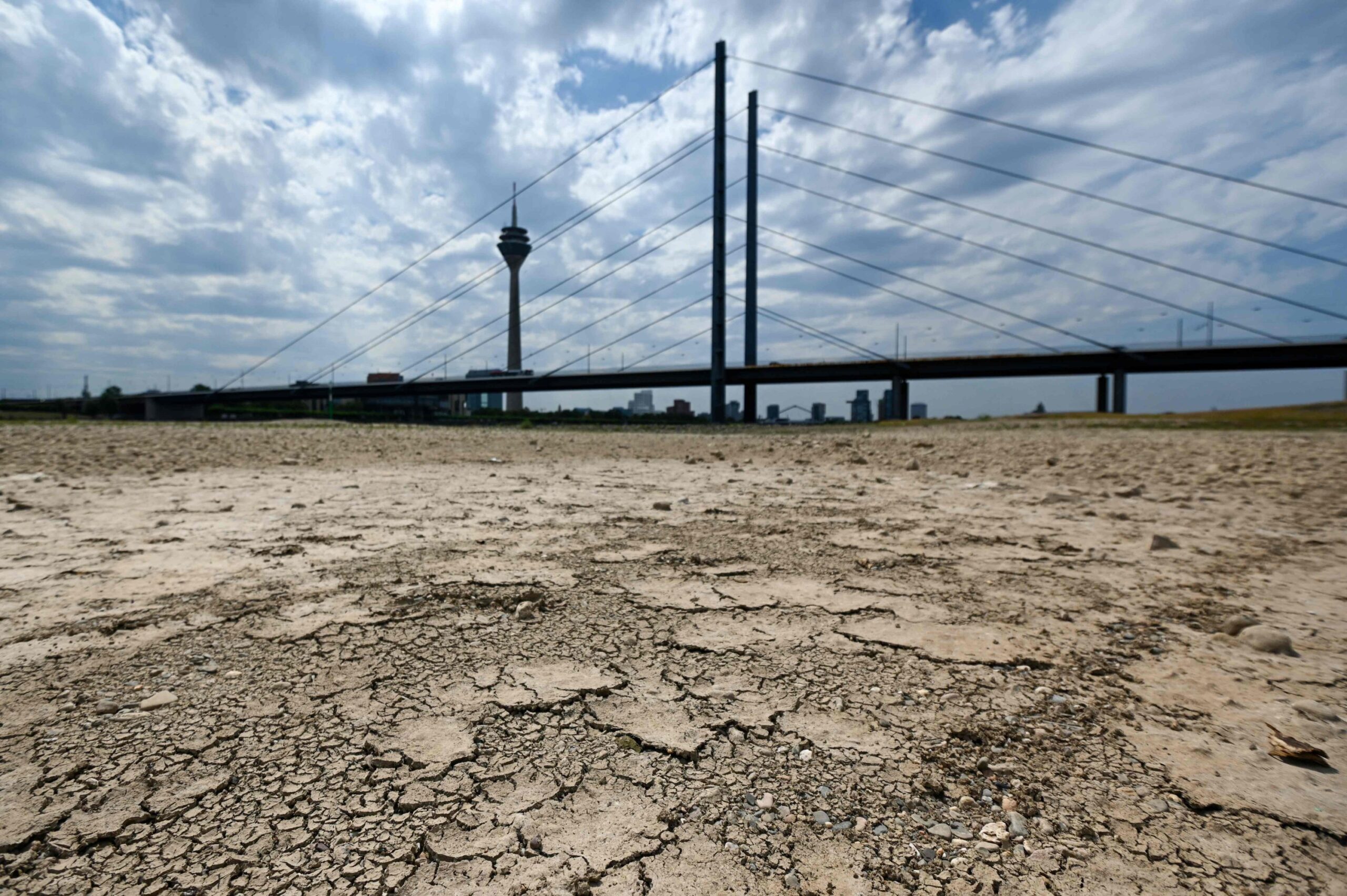
Europe is experiencing another severe heatwave, exposing the increasing impacts of climate change and highlighting the urgent need for climate-resilient infrastructure, urban adaptation measures, and effective heat action plans to reduce vulnerability to extreme weather events.
Facts
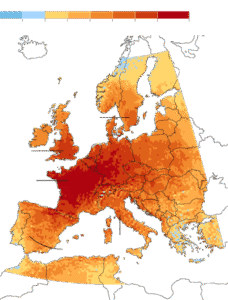
- Several European countries, including Spain, Portugal, France, Belgium and the Netherlands, have witnessed prolonged periods of extreme heat, with temperatures crossing 40°C, disrupting transport, public health services, education and economic activities while increasing heat-related mortality.
- Scientists attribute the growing frequency and intensity of European heatwaves to climate change, altered atmospheric circulation patterns and the Urban Heat Island (UHI) effect, indicating that extreme heat events are becoming more frequent and severe.
- The recurring heatwaves underscore the need for heat-resilient cities, climate-adaptive infrastructure, early warning systems and comprehensive heat action plans to minimise loss of life and economic disruption.
Credits : The Guardian
Heatwave
- A heatwave is a prolonged spell of abnormally high temperatures relative to the normal climatic conditions of a region, posing significant risks to human health, agriculture, water resources and ecosystems.
- In India, the India Meteorological Department (IMD) declares heatwave conditions based on region-specific temperature thresholds and deviations from normal temperatures.
- Europe has no single, standardized, continent-wide definition for a heatwave. Instead, individual countries and scientific bodies rely on their own region-specific thresholds—typically defined as several consecutive days where both daytime maximums and nighttime minimums (e.g., “tropical nights” above 20°C) significantly exceed local long-term seasonal norms.
Urban Heat Island (UHI) Effect
- The Urban Heat Island (UHI) effect refers to the phenomenon in which urban areas remain significantly warmer than surrounding rural regions due to concrete surfaces, reduced vegetation, dense construction and anthropogenic heat emissions.
- Measures such as expanding green spaces, increasing urban tree cover, using reflective and cool roofing materials, improving urban ventilation, and promoting sustainable city planning help reduce urban heat stress and enhance climate resilience.