


Maharashtra’s Shift from Plantation Targets to Ecological Restoration
Context :
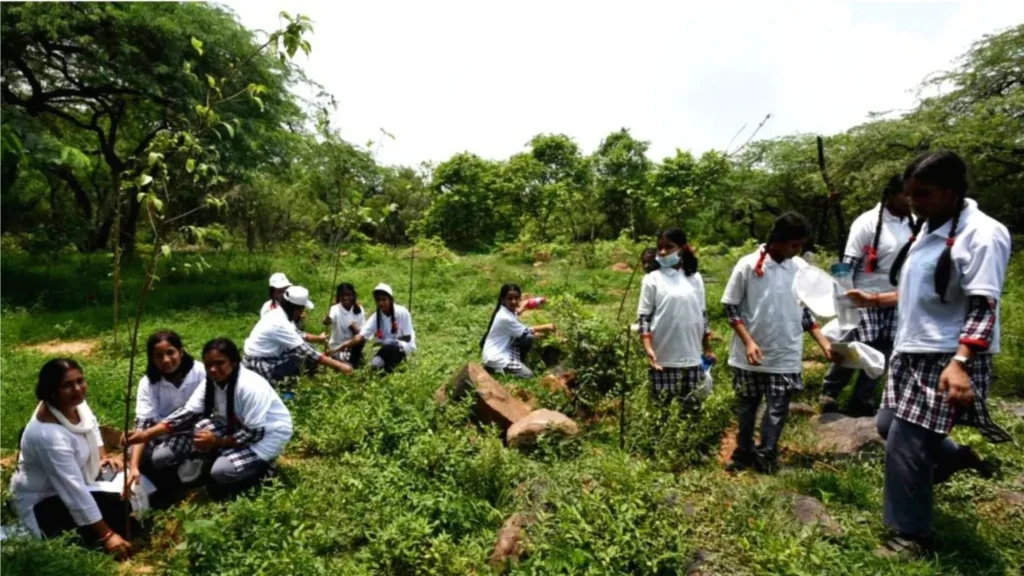
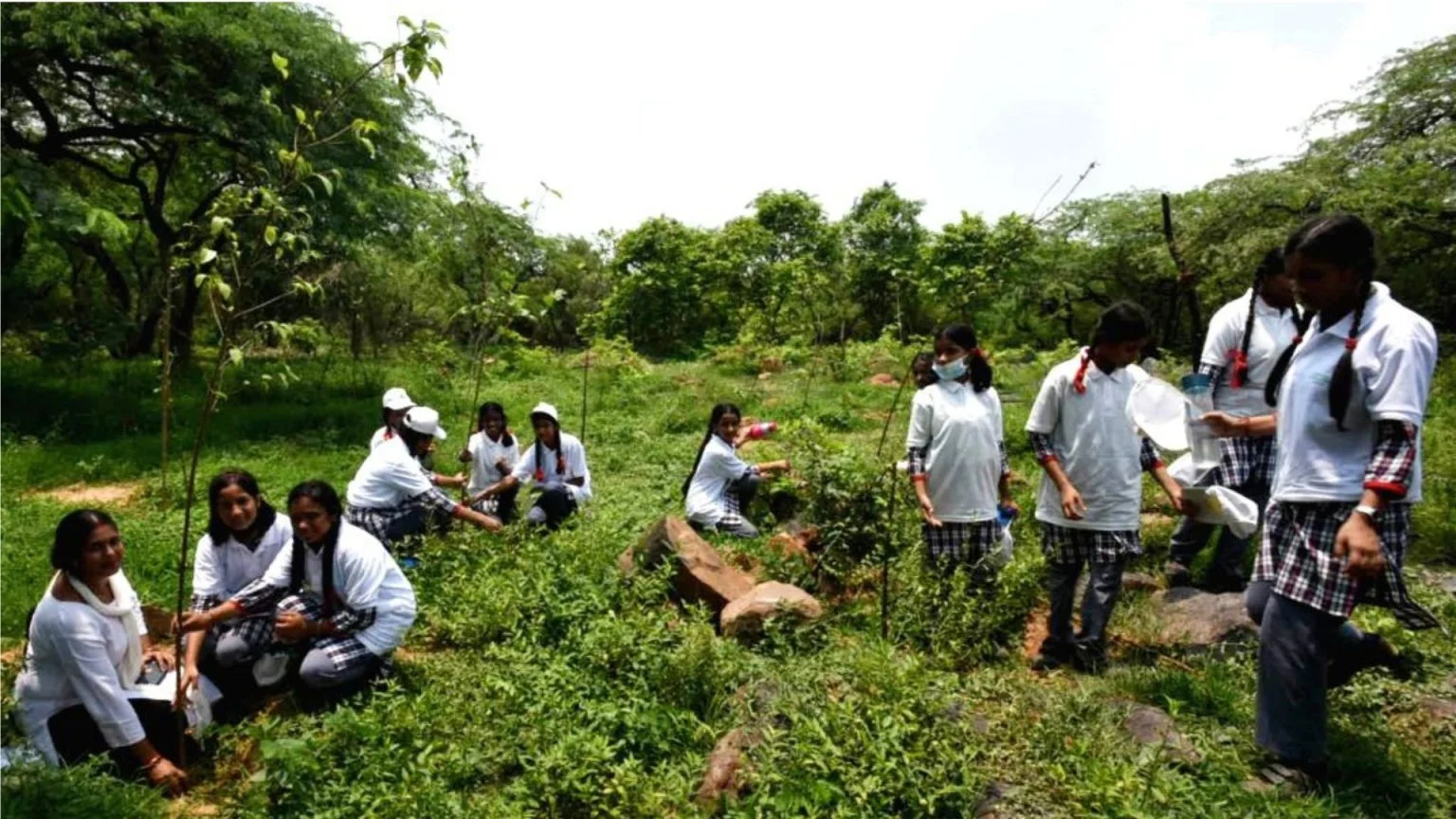
Maharashtra’s new Green Maharashtra Mission and 300 Crore Tree Plantation Mission (2026–2047) marks a policy shift from merely increasing plantation numbers towards long-term ecological restoration and ecosystem-based planning.
Prelims :
- Maharashtra aims to increase forest and tree cover to 33% under the Green Maharashtra Mission.
- The policy emphasises GIS-based land banks, geo-tagging, satellite monitoring and AI/ML-supported survival assessment.
- The mission proposes maintaining more than 60% plantation survival up to the fifth year.
- Grasslands, wetlands and scrublands are increasingly recognised as ecologically important ecosystems.
- Open natural ecosystems support species such as blackbuck, chinkara, Indian wolf, striped hyena and lesser florican.
- Historically, many grasslands and savannas were classified as “wastelands”, leading to indiscriminate plantation drives.
- Recent ecological studies recognise Indian grasslands and semi-arid ecosystems as naturally occurring biodiversity-rich landscapes.
Mains :
- Ecological restoration over mere plantation : Focus shifted from increasing tree numbers to restoring entire ecosystems.
- Protection of non-forest ecosystems: Grasslands, wetlands and scrublands recognised as ecologically important.
- Native species-based afforestation: Emphasis on local species suited to agro-climatic conditions; discourages monoculture.
- Focus on tree survival: Priority given to long-term survival and monitoring rather than plantation targets alone.
- Conservation of existing trees : Highlights importance of protecting mature trees along with new plantations.
Important Keywords for Mains Answers
✔ Ecological Restoration
✔ Landscape Restoration
✔ Open Natural Ecosystems
✔ Grassland Ecology
✔ Afforestation
✔ Climate Resilience
✔ Biodiversity Conservation
✔ Nature-based Solutions
✔ Ecosystem Integrity
✔ Habitat-based Planning