

No New Dam Projects in Upper Ganga Region: The Long Road to Consensus
What Happened :
- The Union Government informed the Supreme Court that it is not in favour of approving new hydropower projects in the Alaknanda and Bhagirathi river basins of Uttarakhand, reflecting prolonged scientific assessment, environmental concerns and legal scrutiny.
Key Highlights :
- The decision reflects growing recognition of the ecological fragility of the upper Ganga basin and the cumulative environmental impacts of hydropower development in the Himalayan region.
- Successive expert committees highlighted concerns related to biodiversity loss, altered river flows, landslides, seismic vulnerability and glacier-linked hazards.
- The policy shift represents an attempt to balance developmental requirements with ecological sustainability and disaster resilience.
- Recent disasters in Uttarakhand have strengthened arguments for adopting a precautionary approach towards large infrastructure projects in ecologically sensitive mountain regions.
Key Facts :
- The issue gained prominence after the 2013 Kedarnath disaster.
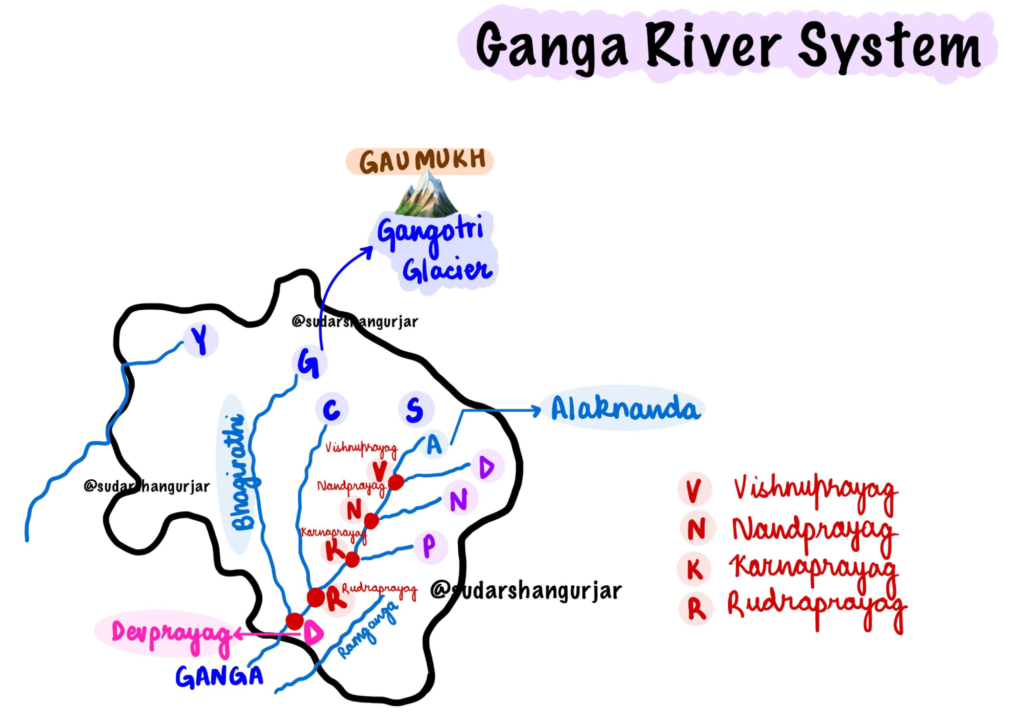
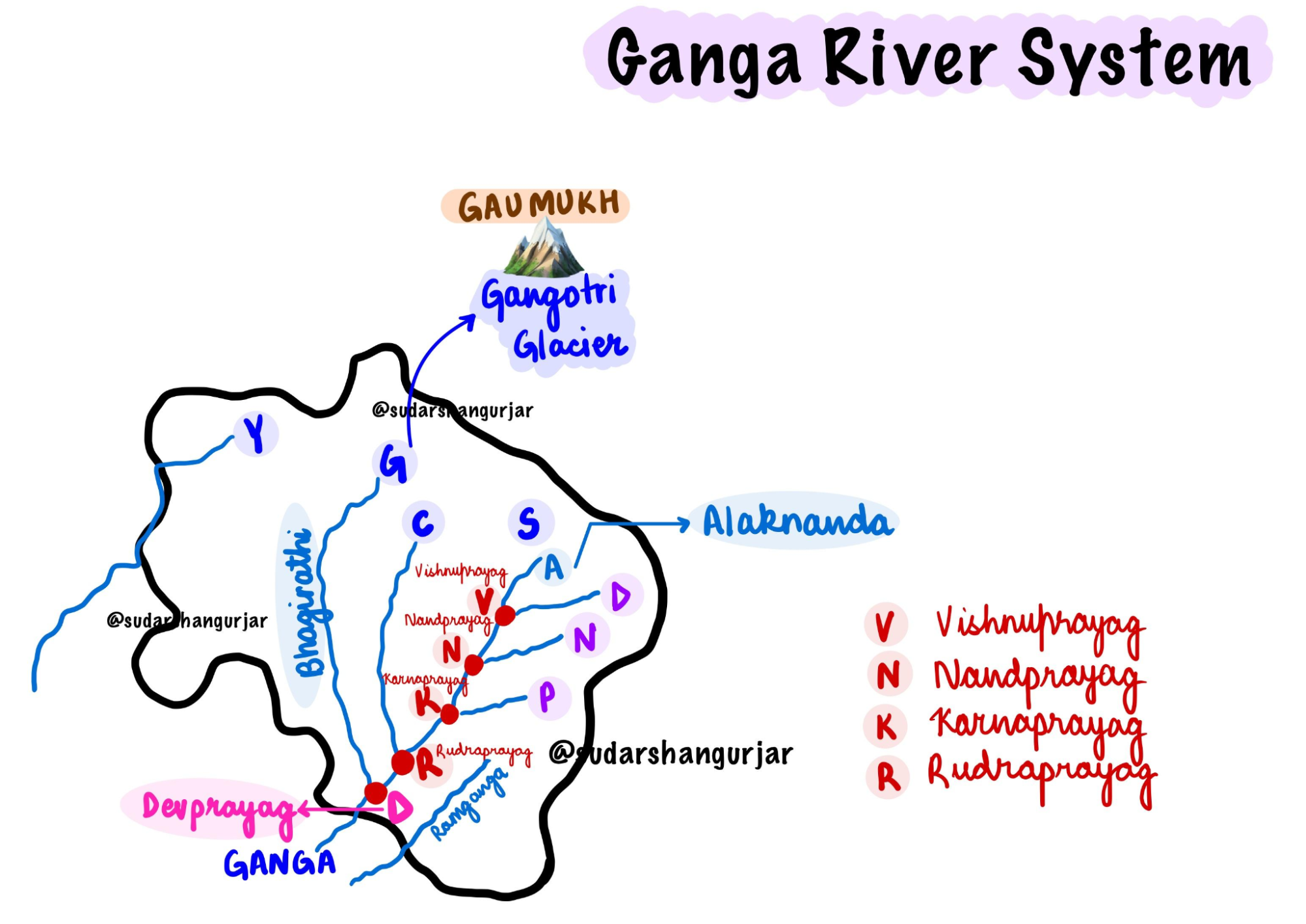
- The Alaknanda and Bhagirathi rivers are major headstreams of the Ganga.
- Expert committees examined cumulative environmental impacts, carrying capacity and seismic vulnerabilities associated with hydropower development.
- The government accepted only a limited number of previously advanced hydropower projects while opposing fresh projects in the upper basin.
- Events such as the 2021 Rishiganga flood and subsequent landslides reinforced ecological and disaster-related concerns.