


Western Ghats
Context : Twelve years after releasing its initial draft notification, the Central Government is set to finalize and officially notify the Ecologically Sensitive Areas (ESAs) in parts of the Western Ghats.
What are the Western Ghats?
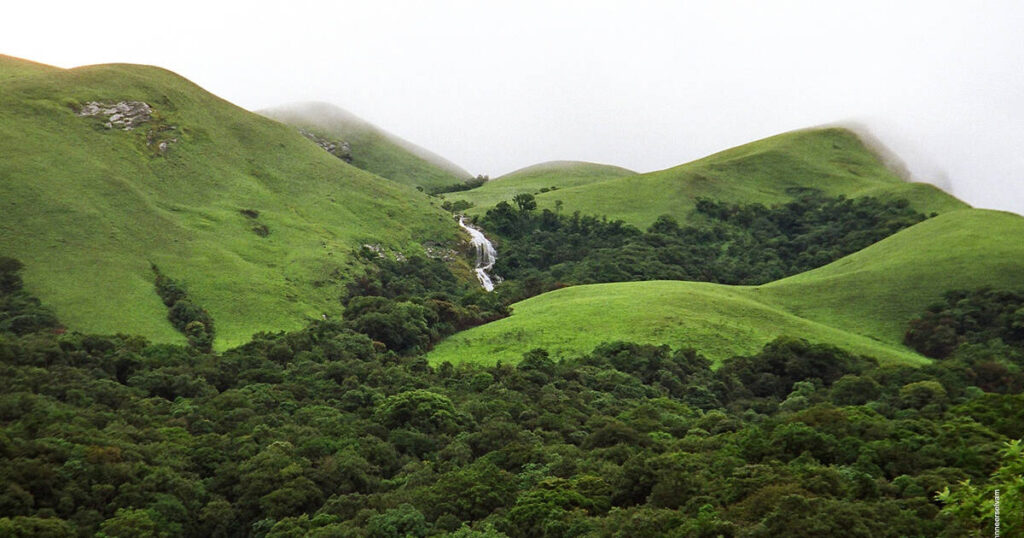
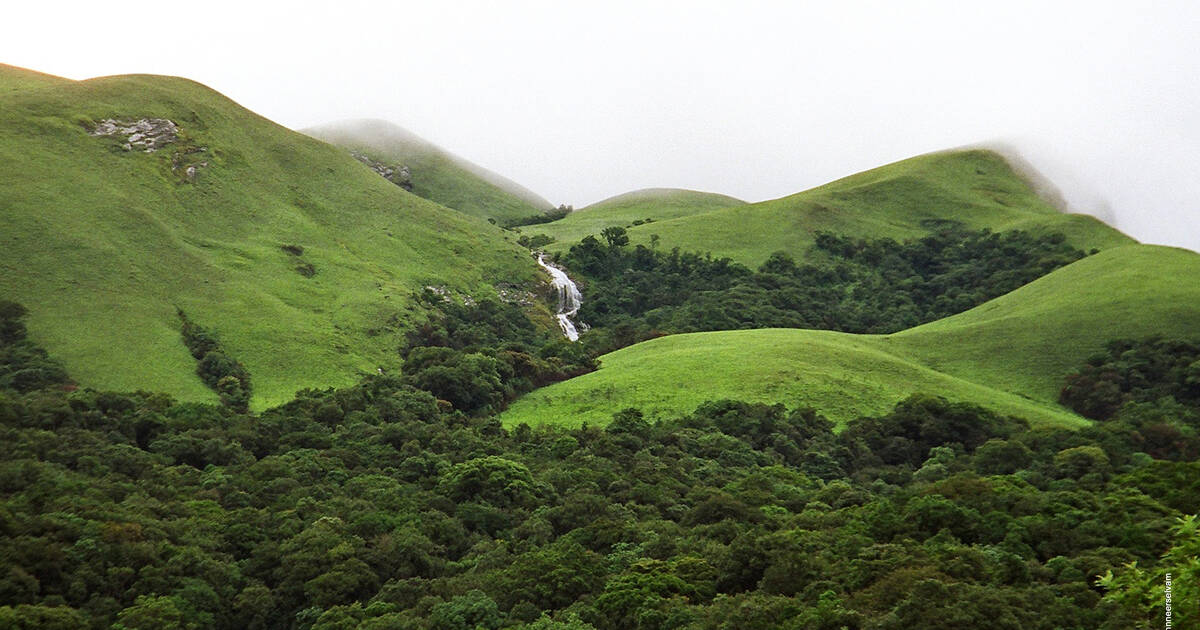
The Western Ghats are an ancient and ecologically fragile mountain range, recognized as one of the world’s eight hottest biodiversity hotspots. Owing to their exceptional biodiversity, high levels of endemism, and unique ecosystems, they have been designated a UNESCO World Heritage Site.
Location and Extent
-
- The Western Ghats run parallel to India’s western coast, stretching from the Tapti River basin in the north to the southern tip of the Indian peninsula.
- The mountain chain spans six states: Gujarat, Maharashtra, Goa, Karnataka, Kerala, and Tamil Nadu.
- Covering nearly 180,000 sq. km, it accounts for about 6% of India’s total geographical area.
Geological and Ecological Features (Mains)
- Characterized by low hills, steep escarpments, high-altitude ridges, and plateaus, including notable landscapes such as the Nilgiris and Wayanad plateau.
- Shola Ecosystem: Home to the distinctive shola-grassland ecosystem, comprising montane grasslands interspersed with tropical evergreen forest patches rich in medicinal plants and unique genetic resources.
- Biodiversity Hotspot: Despite occupying a small share of India’s land area, the Western Ghats harbour over 30% of the country’s plant, fish, amphibian, reptile, bird, and mammal species.
- Around 50% of India’s amphibians and 67% of its freshwater fish species are endemic to this region.
- Habitat for Threatened Species: The Ghats provide critical habitat for species such as the Nilgiri tahr and lion-tailed macaque.
- Large Forest Landscape: They constitute one of the largest contiguous forest ecosystems in southern India, supporting nearly 30% of the global Asian elephant population and about 17% of the world’s tiger population.
Significance
- The Western Ghats are the source of major peninsular rivers, including the Godavari River, Krishna River, and Cauvery River, and play a vital role in influencing India’s monsoon system.
- Nearly 245 million people depend on these river systems for drinking water, irrigation, agriculture, and livelihood security.
- Notification of Ecologically Sensitive Areas (ESAs) strengthens legal protection by regulating activities such as mining, quarrying, polluting industries, and large-scale township development in ecologically vulnerable regions.