

Iran War and Monsoon Uncertainty May Increase Millet Cultivation
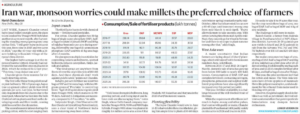
What Happened :
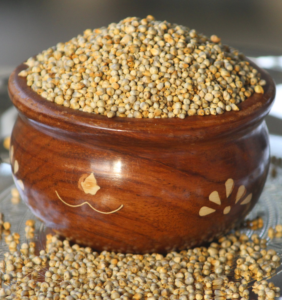
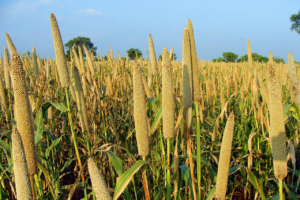
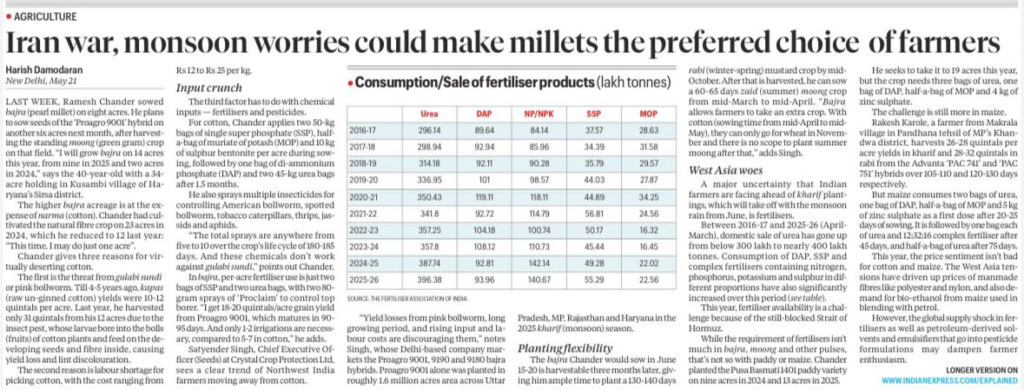
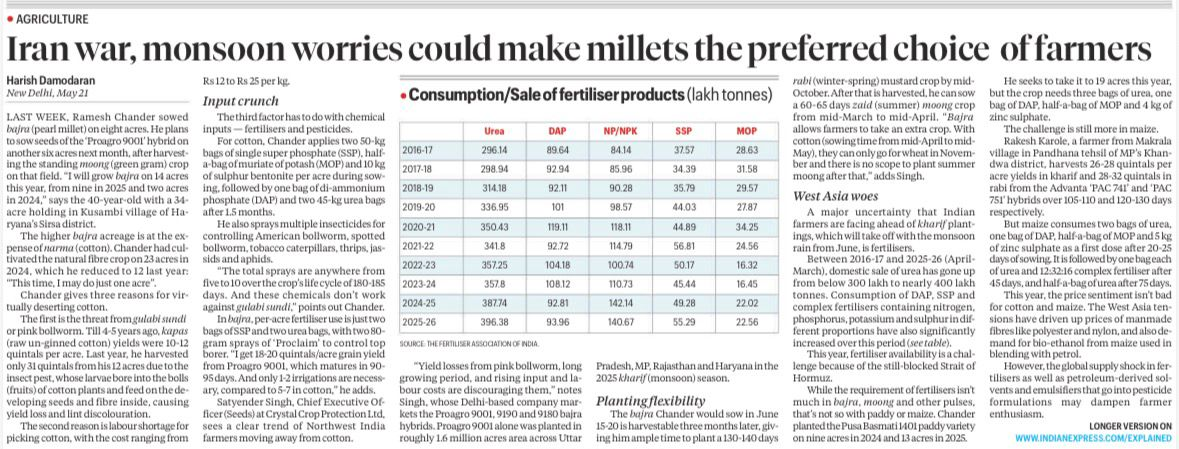
Uncertainty arising from the West Asia conflict, concerns over fertiliser availability and changing monsoon conditions are encouraging farmers in several regions to shift towards millet cultivation, especially bajra due to its lower dependence on external inputs.
Key Highlights
- Farmers are increasingly considering millets because they require comparatively less water and fewer fertiliser inputs than crops such as paddy and cotton.
- Geopolitical tensions in West Asia have raised concerns regarding fertiliser supply chains and imported fertiliser prices.
- Variable monsoon conditions and climate uncertainty are making climate-resilient crops more attractive for agricultural risk mitigation.
- The development underlines the importance of crop diversification and sustainable agricultural practices in vulnerable agro-climatic regions.
Key Facts :
- India imports a substantial share of fertiliser raw materials and nutrients.
- Millets are recognised as climate-resilient crops with lower water requirements.
- The United Nations declared 2023 as the International Year of Millets.
- Bajra has a relatively shorter crop cycle and greater tolerance to drought-like conditions compared to several traditional crops.