


Conserving Elephants Can Enhance Forest Carbon Storage
Context
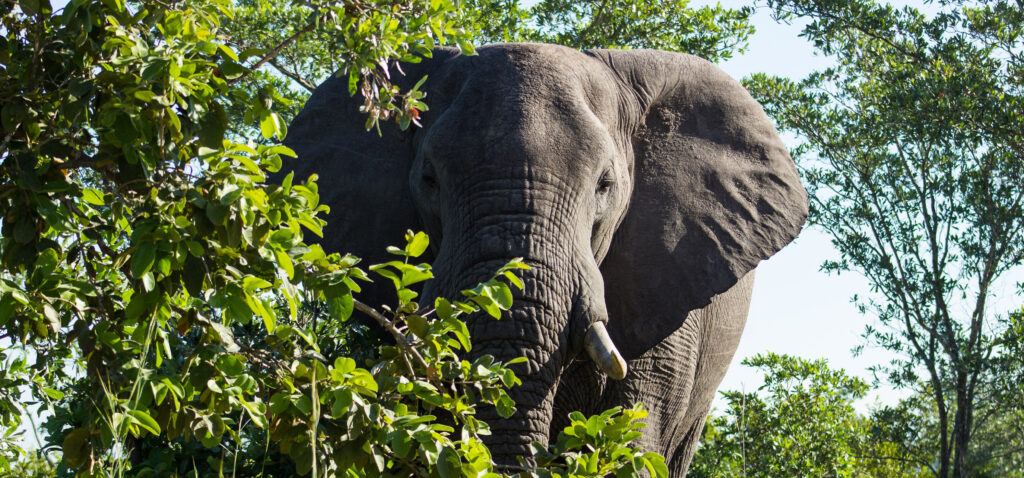
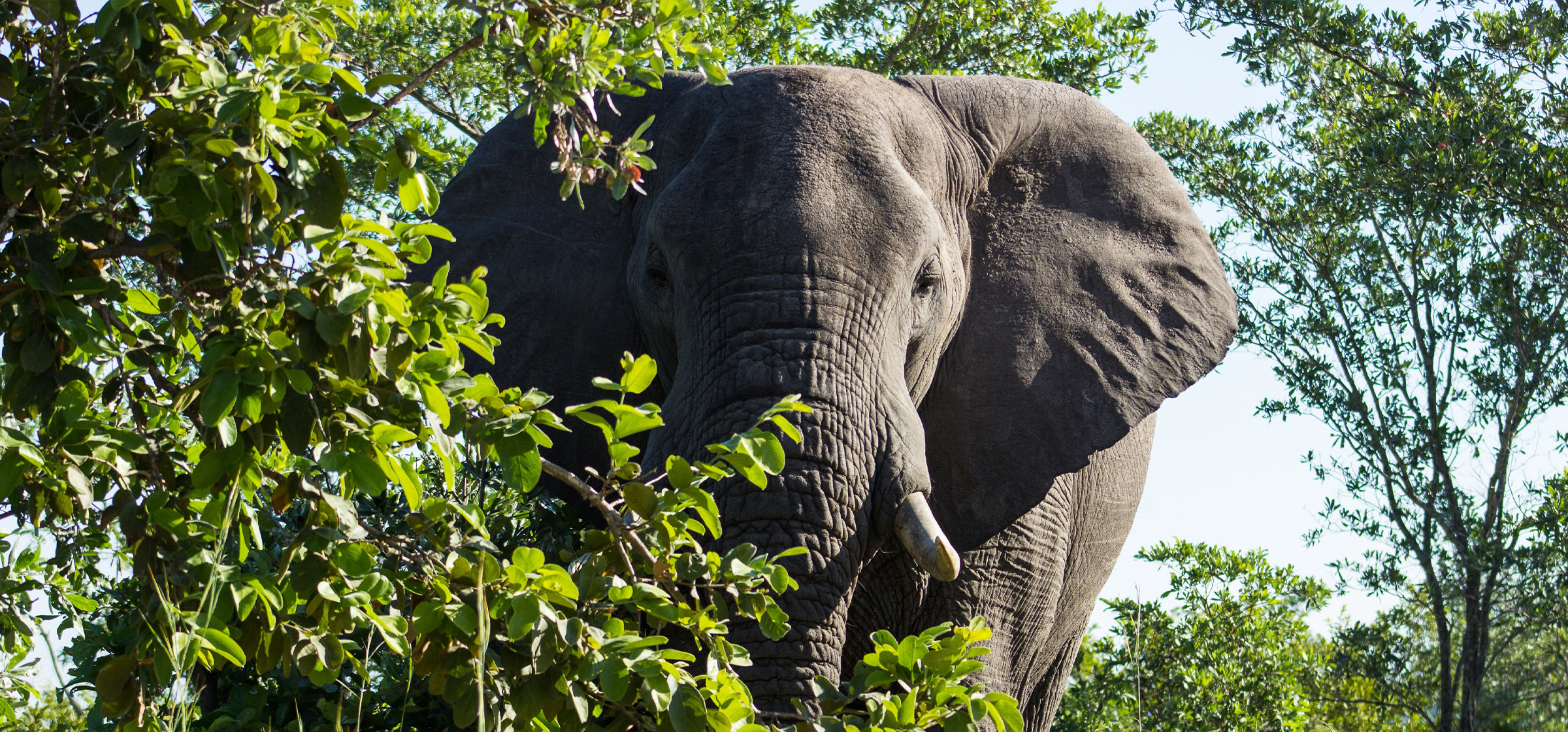
A new study suggests that protecting Asian elephants not only supports biodiversity conservation but also strengthens forest carbon storage, making elephant conservation an important nature-based climate solution.
Facts
- Healthy elephant populations improve forest regeneration through seed dispersal and habitat modification.
- Elephants function as ecosystem engineers, creating forest clearings and maintaining vegetation diversity.
- Improved forest structure enhances long-term carbon sequestration and ecosystem resilience.
- Researchers highlight that elephant conservation must be accompanied by habitat connectivity, wildlife corridors and effective protected area management.
- The findings support integrating wildlife conservation into climate mitigation strategies and carbon accounting initiatives such as REDD+.
Concepts
Ecological Engineers
- Species that alter their environment in ways that create, maintain or improve habitats for other organisms.
- Asian elephants contribute by dispersing seeds, opening dense vegetation and promoting natural forest regeneration.
REDD+
- A UN-supported framework aimed at reducing emissions from deforestation and forest degradation.
- It also promotes sustainable forest management, conservation and enhancement of forest carbon stocks.