


Vasundhara Tal: Early Warning for Glacial Lake Outburst Floods
Context
Uttarakhand established its first glacial lake early warning system at Vasundhara Tal in Chamoli. The National Disaster Management Authority has identified 13 glacial lakes in the State as high risk sites.
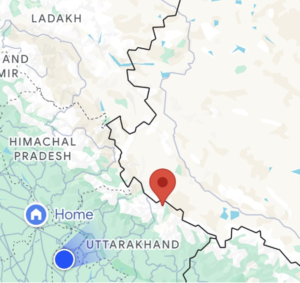
Fig. : Vasundhara Taal
Key Highlights
- Glacial Lake Outburst Floods (GLOFs) occur when water stored in moraine dammed or ice-dammed lakes is released suddenly. Triggers may include slope failures, avalanches, rapid ice melt, seismic activity and erosion of natural dams.
- Climate change is increasing the vulnerability of the Himalayan region through rising temperatures and expanding glacial lakes. Unstable slopes, hydropower projects and densely developed downstream areas can further increase the potential impact.
- Sensors monitoring lake water levels, snowfall, weather conditions and ground movement can provide early alerts. However, effective communication systems, clearly defined evacuation routes and regular community-level drills are essential for converting warnings into timely action.
- Remote sensing can help identify and prioritise potentially dangerous glacial lakes, while ground based instruments can verify changing conditions and minimise false alarms.
Key Concepts
GLOF; Moraine Dammed Lake; Cryosphere; Early Warning System; Sendai Framework; Hazard Zonation
Way Forward
- Develop redundant telemetry systems and warning sirens to ensure reliable alerts.
- Prepare detailed downstream flood inundation maps.
- Regulate new infrastructure development in identified GLOF run out zones.
- Conduct regular community-based preparedness and evacuation drills.
- Strengthen data sharing among relevant agencies and across international boundaries.