


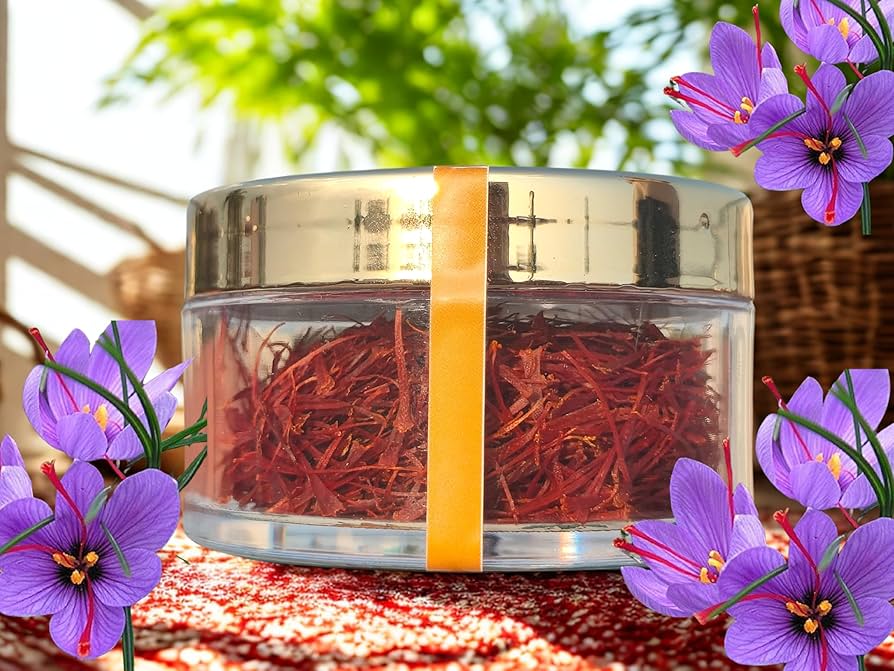
Kashmir Saffron
Context: The ongoing tensions in West Asia, coupled with a sharp decline of nearly 140 tonnes in Iran’s saffron output, have led to a significant rise in global demand for premium Kashmiri saffron.
About Kashmir Saffron
Kashmir saffron, referred to as bahukam in ancient Sanskrit texts and popularly known as “Red Gold,” is a premium spice obtained from the dried stigmas of the Crocus sativus flower.
It is an important symbol of the agricultural heritage of Jammu and Kashmir and was granted a Geographical Indication (GI) tag in 2020.
Primary Cultivation Hub: The crop is mainly cultivated over nearly 3,700 hectares in Pampore, often called the “Saffron Town of Kashmir,” along with nearby areas of south Kashmir.
District Distribution: Cultivation is concentrated in selected regions of Pulwama, Budgam, Srinagar, and Kishtwar districts of Jammu and Kashmir.
Key Features of Kashmir Saffron
Unique Karewa Soil Conditions: Kashmir saffron is grown exclusively on Karewas, which are elevated alluvial deposits of ancient lake beds rich in minerals and organic matter. These soils provide excellent drainage and ideal moisture conditions for saffron cultivation.
Highest-Altitude Saffron Cultivation in the World: It is the only saffron variety cultivated at altitudes ranging from 1,600 to 1,800 metres above mean sea level. This distinctive climatic setting contributes to its superior quality, aroma, and chemical composition.
Distinctive Physical Characteristics: Kashmiri saffron is recognized for its long and thick stigmas with a naturally deep crimson-maroon colour, making it one of the darkest saffron varieties available globally.
Rich Bio-Chemical Composition: Scientific studies indicate that Kashmir saffron contains higher concentrations of active compounds than many imported varieties:
- Crocin (18%–22%): Responsible for its intense colouring ability and strong antioxidant properties.
- Safranal (0.8%–1.2%): Produces the characteristic sweet, earthy, and honey-like fragrance.
- Picrocrocin (8%–12%): Imparts the distinct bitter taste associated with authentic saffron.
- Traditional Commercial Grades: After harvesting, saffron threads are carefully processed and classified into three main grades:
- Mongra Saffron: The finest and most premium grade, consisting exclusively of hand-separated crimson stigmas without any yellow style portions.
- Lachha Saffron: Comprises stigmas that are separated from the flower and dried directly without extensive processing.
- Guchhi Saffron: Similar to Lachha saffron, but the threads are traditionally tied together into compact bundles before marketing.