


Biochar
Context : Amid the growing challenge of open-field crop residue burning, which wastes valuable agricultural biomass, biochar has emerged as a promising carbon-negative solution for restoring soil health and addressing land degradation in India.
What is Biochar?
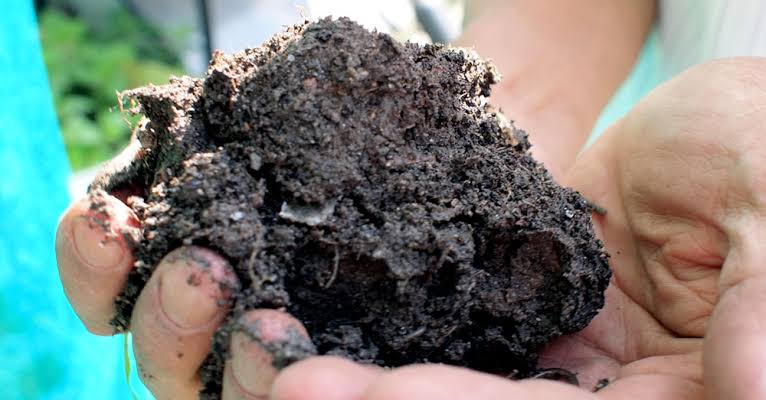
Biochar is a porous, carbon-rich material produced from biomass sources such as crop residues, wood waste, manure, and biodegradable municipal waste. It decomposes very slowly in soil, making it an effective medium for long-term carbon storage. Rather than being a single product, biochar encompasses a range of black carbon materials with varying physical and chemical properties.
Objective:
Its primary purpose is carbon sequestration by converting atmospheric carbon absorbed by plants into a stable form that remains locked in the soil for extended periods.
How is Biochar Produced?
- Biochar is generated through pyrolysis, a process in which organic waste is heated at high temperatures under low-oxygen or oxygen-free conditions.
- Its properties depend on the feedstock used (e.g., crop residues, bagasse, coconut husks, manure) and the specific production conditions, including heating, cooling, and storage methods.
Key Characteristics
- Acts like a sponge in the soil, improving aeration and water retention.
- Resists microbial decomposition and can persist in soils for centuries to millennia.
- pH, nutrient content, ash levels, and surface area vary according to feedstock and production techniques.
- Possesses significant cation exchange capacity (CEC), enabling it to retain nutrients and improve soil aggregation.
- Recognized globally as a durable carbon dioxide removal technology due to its long-term carbon storage potential.
Applications :
- Enhances soil fertility, moisture retention, microbial activity, and crop productivity, particularly in degraded soils.
- Facilitates long-term carbon sequestration and can generate carbon-credit opportunities for farmers.
- Converts agricultural residues, organic waste, and sewage sludge into valuable products.
- Improves fertilizer-use efficiency by retaining essential nutrients such as nitrogen, phosphorus, and potassium within the soil.