

India Strengthens Border Infrastructure Amid Chinese Incursion Concerns
Context
The Union Government has accelerated the construction of roads, bridges and other strategic infrastructure in Arunachal Pradesh to strengthen border connectivity and preparedness along the Line of Actual Control (LAC). The move comes amid concerns over Chinese activities near the border and aims to address long-standing infrastructure gaps in frontier regions.
What’s happening?
- The government’s response follows reports by local tribal organisations alleging increased Chinese activity near the Taksing sector of Arunachal Pradesh. While rejecting claims of recent incursions, the Centre acknowledged the need to strengthen border infrastructure.
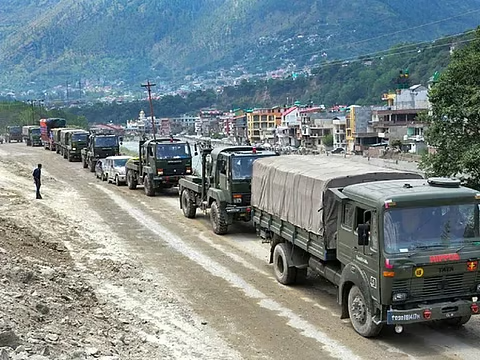
- India is rapidly expanding roads, bridges, forward connectivity and strategic facilities along border areas to improve military mobility, logistics and connectivity for local communities.
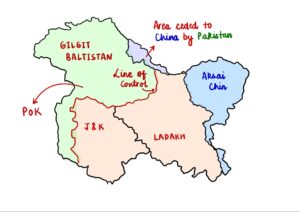
- India and China share a 3,488-km-long disputed boundary spanning Ladakh, Himachal Pradesh, Uttarakhand, Sikkim and Arunachal Pradesh.
- As the boundary remains undemarcated, differing perceptions of the alignment of the LAC frequently lead to patrolling disputes, military stand-offs and diplomatic tensions between the two countries.
Line of Actual Control (LAC)
- The Line of Actual Control (LAC) is the de facto military boundary separating Indian-controlled and Chinese-controlled territories. It is not an internationally recognised or mutually agreed boundary.
- Since the alignment of the LAC is interpreted differently by both countries, overlapping territorial claims often result in patrol confrontations, military stand-offs and periodic border tensions.